
Men Have Feelings Too. So Why Are So Many Only Allowed to Be Angry?
Men deserve access to the full range of their humanity. And sometimes, therapy is where they finally get permission to experience it.
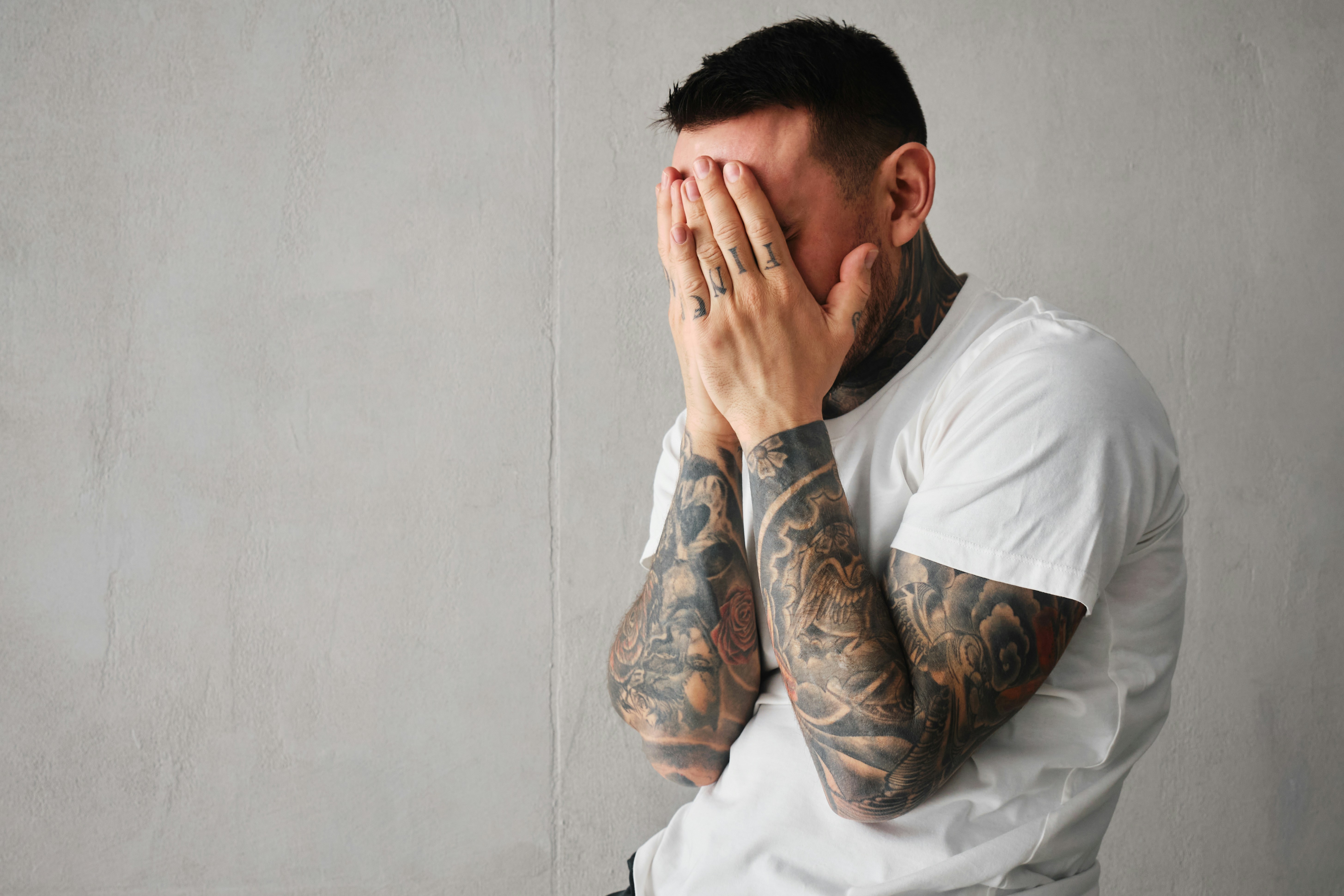
From an early age, boys receive messages about which emotions are acceptable and which are not. Anger? Acceptable. Pride? Absolutely. Competition? Encouraged. Lust? Expected.
But sadness? Fear? Loneliness? Shame? Vulnerability? Not so much.
We have created a remarkably narrow range of emotions that men are socially permitted to express, and then we wonder why so many struggle to communicate what they feel.
Think about the messages boys receive growing up. "Man up." "Stop crying." "Don't be soft." "Be strong." Sometimes these messages are explicit. Other times, they are communicated through the discomfort of adults who don't know what to do with a boy's vulnerability.
Over time, many boys learn that certain feelings are better hidden, dismissed, or transformed into something more socially acceptable. Sadness becomes anger. Fear becomes control. Loneliness becomes withdrawal. Hurt becomes defensiveness.
The feelings don't disappear simply because we haven't given them permission to exist.
And then life happens.
A man loses his job, and with it, perhaps a significant part of his identity and sense of purpose. A marriage ends, and he is confronted with grief, rejection, and uncertainty. He becomes a father, an experience that may bring enormous joy alongside fear, overwhelm, and a profound shift in identity.
These are experiences that require emotional flexibility. They ask us to feel several things at once, sometimes things that contradict one another.
But what happens when you've spent much of your life learning that you aren't supposed to feel those things, much less talk about them?
For some men, distress begins to show up as irritability, emotional withdrawal, increased drinking or substance use, overworking, or conflict with the people closest to them. These behaviors can have many causes, but sometimes they are attempts to manage feelings that have never been fully understood or expressed.
The problem with avoiding vulnerability
Here's where things get particularly complicated.
Vulnerability is not optional in meaningful relationships.
You cannot build genuine intimacy without some willingness to be known. To let another person see your fears, disappointments, insecurities, and needs. To acknowledge when you've been hurt. To admit when you don't know what to do.
In romantic relationships, the absence of this vulnerability can create enormous tension.
One partner may be asking for emotional connection while the other experiences those requests as criticism, pressure, or an expectation they don't know how to meet. Conversations about hurt become arguments about who is right. Requests for closeness are met with defensiveness or silence.
Both partners can end up feeling misunderstood, rejected, and alone.
And here's the tragedy: sometimes the very strategies men learned to protect themselves emotionally become the barriers to the relationships they most want.
There is another way
Therapy offers men an opportunity to expand their emotional vocabulary and develop a different relationship with vulnerability.
It creates space to explore the messages they've received about masculinity, recognize how emotions show up in their bodies and behaviors, and learn healthier ways to manage distress.
It can also help men communicate more openly, navigate major life transitions, and build the kind of emotional intimacy that strengthens relationships.
This isn't about becoming less masculine or abandoning strength.
It's about recognizing that strength and vulnerability are not opposites.
You can be strong and afraid. Confident and uncertain. Proud and disappointed. You can love deeply and still need support.
Men deserve access to the full range of their humanity.
And sometimes, therapy is where they finally get permission to experience it.